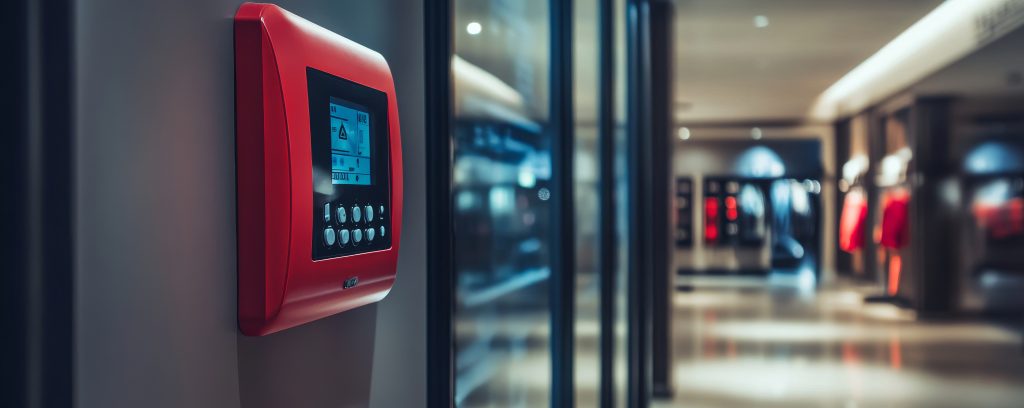
When it comes to protecting your property, employees, and operations, fire alarm monitoring is one of the most important investments you can make. A monitored system ensures an immediate response to any alarm activation, whether it’s during business hours or late at night. By linking your fire alarm system to a central monitoring station, you gain peace of mind knowing that help will be dispatched quickly in the event of a fire.
What Is Fire Alarm Monitoring?
Fire alarm monitoring connects your building’s fire alarm system to a UL-listed, FM-approved central monitoring station staffed by certified professionals. When your smoke detectors, pull stations, or other alarm devices are activated, operators are alerted instantly. They notify emergency responders, your management team, and your fire protection provider. NFPA outlines monitoring as a key part of compliance with fire safety standards, and many insurers recognize its value by offering reduced premiums.
1. Immediate Emergency Response
Every second matters during a fire. A monitored fire alarm system sends signals directly to the central station, ensuring that the fire department is dispatched right away. Without monitoring, emergency response depends on someone inside the building calling 911, which may delay help and increase damage.
2. Protection Around the Clock
Fires don’t follow business hours. With fire alarm monitoring, your property is protected 24/7, even when no one is on-site. This continuous protection means your business is covered during holidays, weekends, and overnight hours when a fire could otherwise spread undetected.
3. Compliance and Insurance Benefits
Fire codes such as NFPA 72 often require monitored fire alarm systems for commercial properties. Insurance providers also view monitoring as a proactive safety measure and may offer discounts for businesses with monitored systems. By investing in fire alarm monitoring, you are not only complying with regulations but also potentially reducing your long-term costs.
4. System Reliability
Monitored systems are tested daily to ensure proper connectivity. If a communication failure occurs, the monitoring center receives an alert and sends a technician to resolve the issue quickly. This proactive approach helps ensure your fire alarm system is always ready when you need it most.
5. Fast Dispatch and Local Support
When an alarm is triggered, the monitoring station doesn’t just call the fire department. Notifications also go to your business contacts and your fire protection company. In many cases, technicians are dispatched within hours to investigate issues, ensuring your system is restored and fully functional.
6. A Key Part of Your Fire Safety Plan
Fire alarm monitoring is only one part of a complete safety strategy. Pairing monitoring with fire suppression systems, extinguishers, and code compliance inspections creates layers of protection. Resources such as FEMA’s Fire Safety Resources emphasize the importance of combining these elements into a comprehensive plan.
Choosing the Right Provider
Not all fire alarm monitoring services are the same. Look for a provider that offers:
-
UL-listed, FM-approved monitoring centers
-
Multiple communication methods such as cellular and IP backup
-
24/7 monitoring and dispatch availability
-
Local code knowledge to keep your business compliant
Working with an experienced fire protection company ensures your monitoring is both reliable and effective.
Protect Your Business with Fire Alarm Monitoring
Fire alarm monitoring isn’t just another box to check it’s one of the most effective ways to safeguard lives, protect property, and reduce financial risk. With 24/7 oversight, immediate emergency response, and compliance advantages, it provides confidence that your operations are always protected, even when no one is on site. Beyond peace of mind, monitored systems can help lower insurance costs and ensure your business meets important fire code requirements.
If you’re building a stronger safety strategy, fire alarm monitoring is the first step toward comprehensive protection. From here, you can integrate other critical services such as suppression systems, extinguishers, and regular inspections to create a complete fire and life safety plan. Ready to learn how monitoring fits into your overall protection strategy? Explore our fire alarm monitoring services today and see how State Systems can help safeguard what matters most.