
Kitchen Fire Suppression System: AHJ Acceptance Test Overview
Commercial kitchens face one of the highest fire risks of any occupied space. Open flames, hot oils, grease buildup, and constant heat make fire protection systems critical to life safety and business continuity. That’s why newly installed kitchen fire suppression systems must undergo AHJ acceptance testing, where the fire marshal verifies the system is installed correctly and operates as designed before it is approved for use. This walkthrough provides a step-by-step look at the process for commissioning a newly installed kitchen fire suppression system, documented during a recent AHJ acceptance test and supported by real photos from the site.
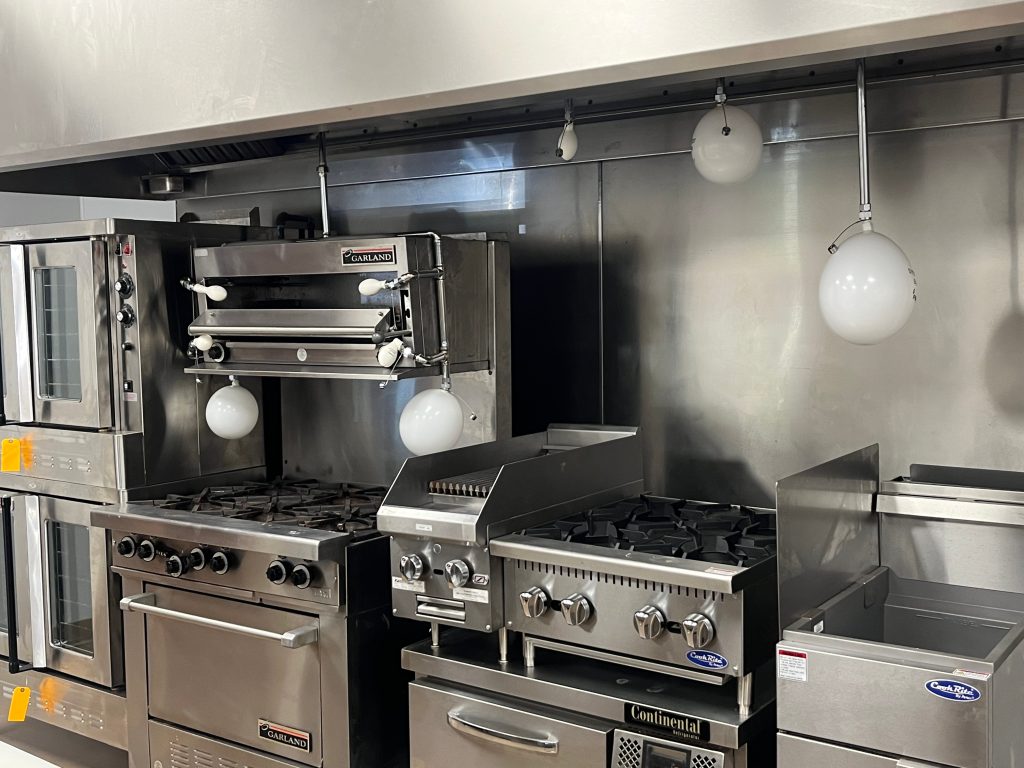
During this acceptance test, the fire marshal evaluated a fully installed commercial kitchen fire suppression system and conducted a balloon test to visually confirm proper system activation, nozzle discharge, and coverage.
What Happens During a Kitchen Fire Suppression System Acceptance Test?

A kitchen fire suppression system acceptance test is a required evaluation performed by the Authority Having Jurisdiction (AHJ) to approve a newly installed system protecting commercial cooking equipment such as fryers, grills, ranges, and ovens. This process confirms that the system has been installed correctly, functions as designed, and is ready to activate immediately in the event of a fire.
During an AHJ acceptance test, the fire marshal verifies that:
The system provides proper coverage over all protected cooking appliances
Discharge nozzles are correctly positioned, properly aimed, and free of obstructions
Detection components and activation mechanisms function as intended
Manual pull stations are accessible, clearly identified, and operational
The system complies with all applicable fire and life safety codes
Successful acceptance testing confirms that the kitchen fire suppression system will activate promptly to suppress flames, cool hot cooking surfaces, and help prevent re-ignition during a grease fire before the kitchen is placed into service.
AHJ Test Overview

In this case, the fire marshal conducted a functional inspection of the kitchen’s fire suppression system without discharging wet chemical agent into the cooking area. The system inspected was an ANSUL kitchen fire suppression system, one of the most widely used systems in commercial kitchens.
To verify system performance, the inspector used a balloon test across all suppression nozzles in the hood system. This method allows inspectors to visually confirm proper activation, discharge direction, and system readiness while keeping the kitchen operational. The system passed inspection with no deficiencies noted.
The balloon test is a common and effective method used during a AHJ acceptance test to confirm proper system operation without releasing suppression agent.
For this test, balloons were placed over every discharge nozzle in the system. When the suppression system was activated, all balloons inflated outward at the same time. This provided immediate visual confirmation that:
Every nozzle activated correctly
Discharge pressure was sufficient
Nozzles were unobstructed
Agent would be distributed evenly across all protected appliances
The system would perform as designed during a real fire
Because every balloon inflated simultaneously, the fire marshal was able to confirm full system functionality at a glance. This type of test offers clear, visual proof that the suppression system is ready to respond in an emergency.
AHJ Inspection Outcome
During this fire marshal acceptance test, all suppression nozzles discharged as designed, each balloon inflated properly, and the system successfully met AHJ approval requirements. The successful test confirmed that the kitchen fire suppression system was fully operational, properly installed, and approved for use prior to being placed into service.
Once a system has passed acceptance testing, ongoing inspections and maintenance play a critical role in keeping commercial kitchens compliant, operational, and protected. Routine service inspections help identify potential issues early and ensure the system continues to perform as intended between AHJ visits.
If your kitchen is preparing for acceptance testing on a new installation, or approaching a required service inspection, working with a qualified fire protection provider helps ensure your system is properly prepared and ready when the fire marshal arrives