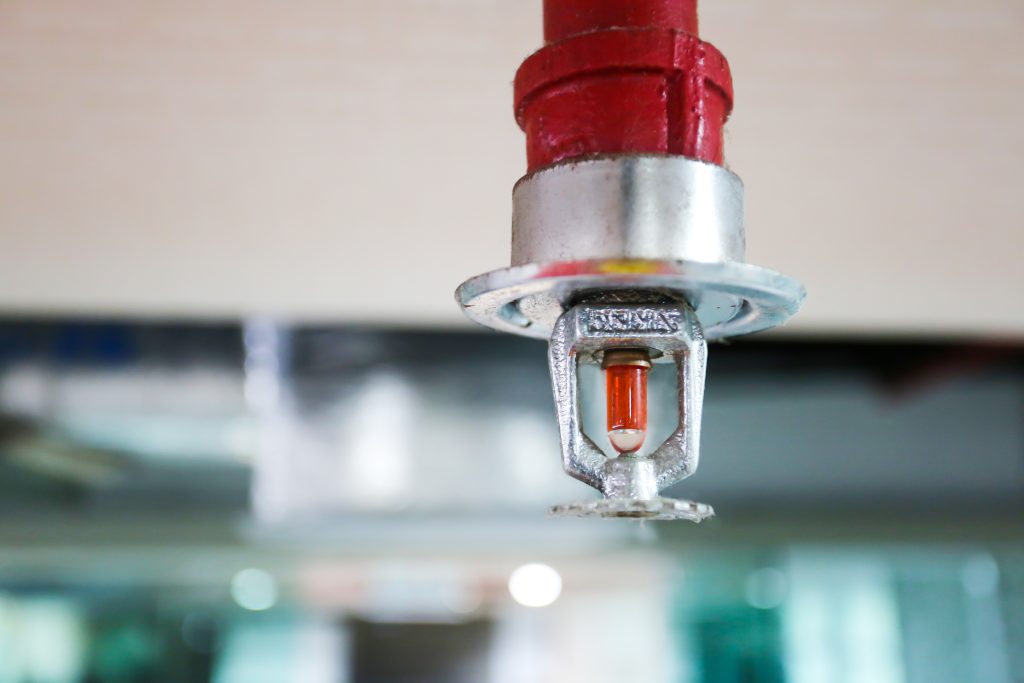
5 Fire Sprinkler Myths – Debunking Common Misconceptions
Separating Fire Sprinkler Facts from Fiction
When it comes to fire safety, misconceptions about fire sprinkler systems often lead to hesitation in installing and maintaining these essential life-saving devices. Many business owners worry about cost, damage, and effectiveness, but the reality is that fire sprinklers are one of the most effective ways to control fires before they spread.
Whether you own a commercial property, office building, or industrial facility, understanding the truth about fire sprinklers can help you make informed decisions to protect your business, employees, and assets. Let’s debunk some of the most common myths about fire sprinkler systems.
Myth #1: Fire Sprinklers Cause More Damage Than Fires
One of the biggest misconceptions about fire sprinkler systems is that they will cause more damage than the fire itself. Many people believe that the water released from the sprinklers will ruin valuable equipment, flooring, or merchandise.
The Truth: Fire sprinklers release far less water than a firefighter’s hose. A single sprinkler head typically releases 15-24 gallons of water per minute, compared to 50-150 gallons per minute from a fire hose. According to the American Fire Sprinkler Association, fire hoses use eight times more water than sprinklers, leading to greater damage.
By controlling a fire early, sprinklers limit destruction, reduce smoke damage, and minimize business downtime—ultimately saving money and lives.
Myth #2: My Business Can’t Afford Fire Sprinklers
Some business owners assume that fire sprinklers are too expensive, especially if they aren’t legally required for their building.
The Truth: The cost of a fire sprinkler system is minimal compared to the potential losses from a fire. Consider the financial impact of:
- Losing inventory, records, or equipment in a fire
- Shutting down operations for weeks or months due to fire damage
- Increased insurance costs due to lack of fire protection
Additionally, properly maintained sprinkler systems reduce insurance premiums and may qualify businesses for fire safety incentives. More importantly, fire sprinklers save lives, and the NFPA has no record of more than two fire-related deaths in a fully sprinklered building where the system functioned properly.
The real question is: Can your business afford NOT to have a fire sprinkler system?
Myth #3: Every Sprinkler Head Goes Off During a Fire
Thanks to Hollywood dramatizations, many people believe that when one sprinkler head is triggered, every sprinkler in the building activates at once, flooding the entire space.
The Truth: Fire sprinklers do not work this way. Sprinkler heads activate individually, meaning only the sprinkler nearest the fire will discharge water.
Each sprinkler is designed to activate only when exposed to extreme heat, typically at 135°F to 165°F. The controlled release of water ensures that the fire is contained quickly, without unnecessary water damage.
Myth #4: Smoke Detectors Are Enough to Protect My Business
Smoke alarms are a critical component of fire safety, but they cannot stop a fire from spreading.
The Truth: While smoke detectors warn occupants of danger, they do nothing to contain or extinguish a fire.
Fire sprinklers actively suppress flames, preventing them from growing out of control. A properly maintained sprinkler system can reduce fire damage, protect lives, and minimize business disruptions.
For complete fire protection, businesses should have:
- Fire sprinklers to extinguish fires
- Smoke detectors to provide early warnings
- Fire extinguishers for small, manageable fires
- Emergency exit plans for safe evacuations
Myth #5: Fire Sprinklers Don’t Need Regular Inspections
Some business owners assume that once a fire sprinkler system is installed, it will function perfectly without maintenance.
The Truth: Fire sprinklers require routine inspections and testing to remain compliant with NFPA regulations.
Annual system inspections should include:
- Wet trip tests of dry pipe valves
- Lubrication and testing of gate valves
- Testing of flow, tamper, and pressure switches
- Visual inspection of sprinkler system components
- Drain readings to ensure proper water pressure
In addition, quarterly dry system tests should be conducted to ensure system reliability. Scheduling these inspections with routine business check-ins (such as quarterly meetings or reports) can help keep inspections on track.
For businesses looking for hassle-free compliance, State Systems offers Service Agreements that automate inspection scheduling and reporting—so you never miss a required check-up.
Fire Sprinkler Services in Tennessee, Arkansas, Mississippi, and Alabama
Fire protection is a crucial part of running a successful business. Compliance with local and state fire codes ensures that your business, employees, and customers remain safe and prepared.
At State Systems, we specialize in:
- Fire sprinkler installation, replacement, and repairs
- Routine inspections and compliance testing
- 24/7 emergency maintenance
You can’t predict a fire, but you can prepare for one.
Schedule Your Fire Sprinkler Inspection Today!
Don’t leave your business unprotected. Contact State Systems today to schedule a fire sprinkler service and ensure your system is in top working condition.