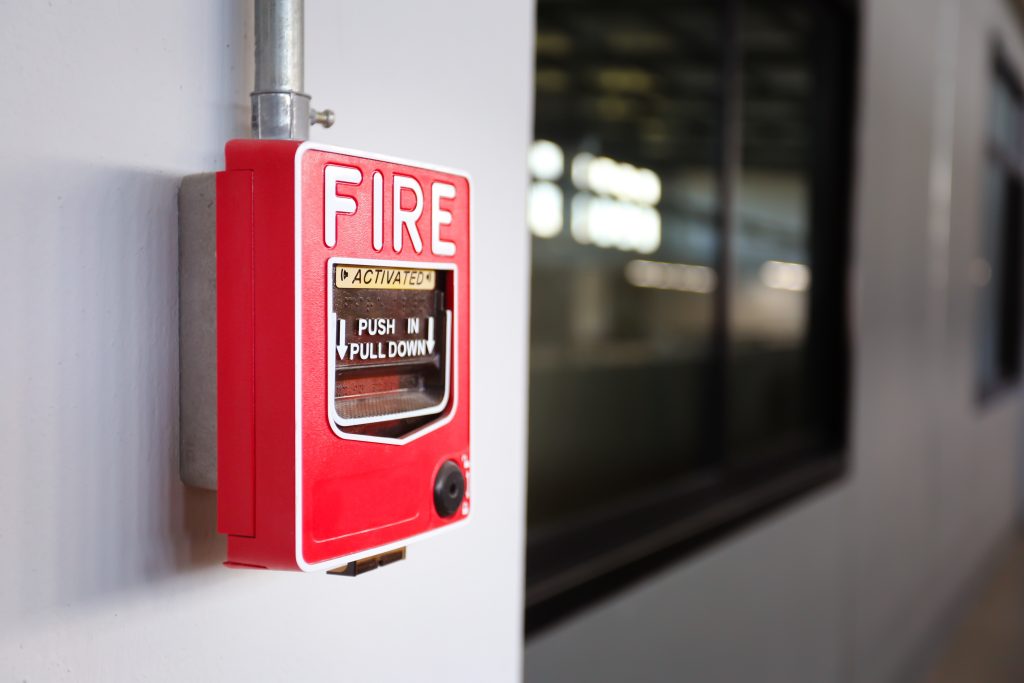
When it comes to building safety, a fire alarm system is one of the most critical components in protecting lives and property. And at the heart of that system is a simple yet powerful device—the manual fire alarm pull station. Often mounted near exits or in high-traffic areas, pull stations allow individuals to immediately alert building occupants and initiate an emergency response during a fire event.
In this article, we’ll take a closer look at what a fire alarm pull station is, how it works, how to reset one, and whether it’s required in sprinklered buildings. We’ll also walk you through what happens after someone pulls a fire alarm—and how State Systems can help you install, inspect, service, and repair your fire alarm system.
What Is a Fire Alarm Pull Station?
A fire alarm pull station is a manual initiation device that allows a person to activate the fire alarm system by physically pulling a handle or lever. Once pulled, the alarm system sends a signal to initiate audio and visual alerts (such as horns and strobes), notifies monitoring services, and may automatically alert local emergency responders depending on how the system is configured.
Pull stations are part of the low voltage system network that powers fire alarms, security, and emergency communications. They are installed in strategic locations throughout commercial and industrial buildings, typically near exits, stairwells, and assembly areas to ensure ease of access during an emergency.
There are two primary types of pull stations:
-
Single-action pull stations require one motion (typically pulling the handle) to activate.
-
Dual-action pull stations require two steps, such as lifting a cover and then pulling the handle, to help prevent accidental activation.
Are Pull Stations Required in Sprinklered Buildings?
This is a common question—and the answer depends on the building’s occupancy type, fire protection systems, and local fire code requirements.
According to NFPA 72, manual pull stations may not be required in buildings that have a fully sprinklered and monitored fire protection system, provided that the building also meets other specific criteria, such as:
-
Automatic smoke detection in certain areas
-
Constant monitoring through a central station
-
Proper placement of notification appliances (strobes, horns, etc.)
However, local jurisdictions and the Authority Having Jurisdiction (AHJ) may still require manual pull stations regardless of sprinkler coverage. It’s essential to consult local fire codes and work with a licensed fire protection company—like State Systems—to ensure compliance and proper placement of devices.
What Happens When You Pull a Fire Alarm?
Pulling a manual fire alarm station activates the system’s low voltage circuitry and triggers a series of life-safety protocols. Here’s what typically happens:
-
Immediate notification: The system activates audible and visual alarms throughout the building to prompt evacuation.
-
Signal sent to monitoring center: If the system is connected to a UL-listed central monitoring station, the signal is transmitted in real time.
-
Emergency responders are dispatched: The monitoring station contacts local fire authorities to initiate a response.
-
Building systems may activate: In some systems, additional actions are triggered, such as unlocking doors, shutting down HVAC systems, or engaging fire suppression systems.
-
Evacuation begins: Building occupants should follow their emergency evacuation plan and proceed to designated meeting areas.
It’s important to note that false activation of a pull station can result in serious consequences, including fines or legal action. That’s why regular fire alarm inspection and maintenance are crucial in identifying faulty or outdated devices that may contribute to accidental alarms.
How to Reset a Fire Alarm Pull Station
Resetting a pull station involves a few key steps and should be handled by a trained technician or authorized personnel. Here’s a general guide:
-
Silence and reset the panel: First, silence the alarm system at the main fire alarm control panel. You’ll need a reset key or access credentials.
-
Rearm the pull station: Most pull stations can be opened using a standard fire alarm key. Once opened, manually return the handle to the “normal” position.
-
Close and secure: Once reset, close the pull station cover and lock it back into place.
-
System reset: Return to the fire alarm control panel and complete the reset process to clear the alarm from the system.
Note: Different manufacturers and models may have unique reset processes. Always refer to the manufacturer’s documentation or consult with a licensed technician. Learn more about fire alarm inspection best practices here.
Why Fire Alarm Pull Stations Are Part of Low Voltage Systems
Fire alarm pull stations operate as part of a low voltage system, meaning they run on 24 volts or less. This classification is common among other life safety systems, such as:
Because these systems are interconnected, it’s vital to work with a provider experienced in low voltage integration. State Systems specializes in low voltage design, installation, and service—ensuring that your fire protection system works seamlessly with your building’s broader infrastructure. Explore our low voltage services to learn more.
Trust State Systems for Fire Alarm Installation, Service & Inspection
For nearly four decades, State Systems has helped businesses across the Mid-South protect their people, property, and peace of mind. Our team of certified technicians specializes in the installation, inspection, service, and repair of fire alarm systems—including pull stations and other essential life safety components.
Whether you need help determining pull station placement, resetting an activated unit, or planning a full low voltage system upgrade, we’ve got you covered.
- Fully certified and experienced in NFPA and AHJ compliance
- Fire alarm monitoring and 24/7 emergency response services
- Offices in Memphis, TN; Springdale, AR; Huntsville, AL; Columbia, TN; Goodlettsville, TN; and Conway, AR
- Custom solutions for healthcare, retail, manufacturing, education, and more
Contact us today to schedule a service or request a fire alarm system assessment. Let’s protect what matters—together.