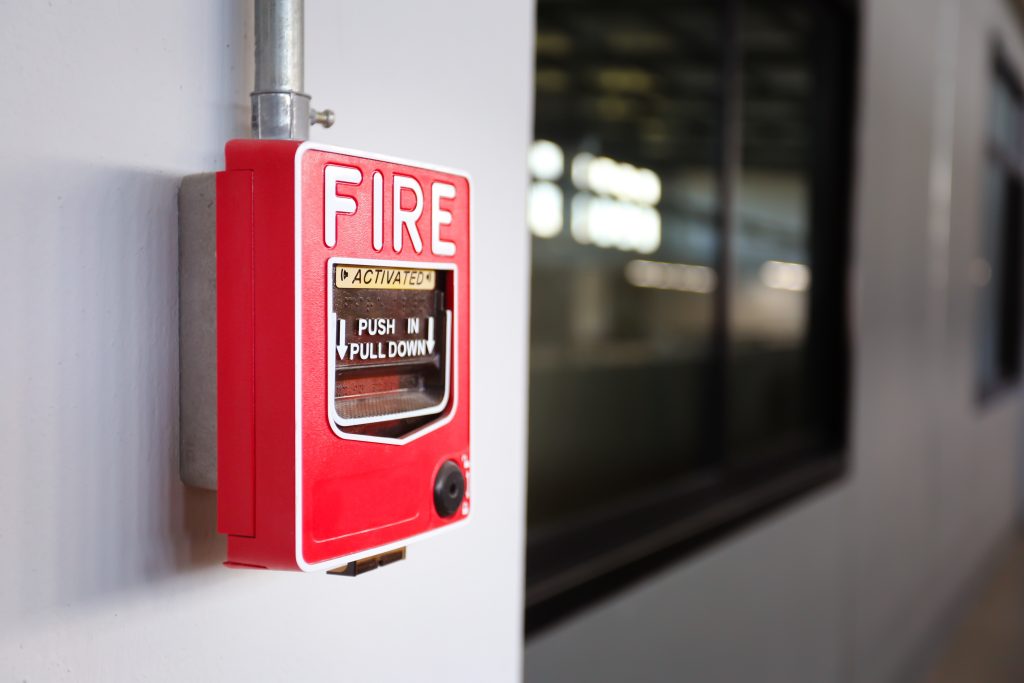
Fire alarms play a critical role in protecting lives and property by detecting fires early and alerting occupants to evacuate safely. Whether you own a commercial building, a residential complex, or an industrial facility, understanding fire alarm basics and ensuring regular maintenance is essential for compliance and safety.
In this guide, we’ll answer “what are fire alarms?”, explain fire alarm system services, discuss fire alarm inspections, and address how often you should test smoke alarms to keep your system functioning properly.
What Are Fire Alarms?
A fire alarm system is a network of low-voltage devices designed to detect fire, smoke, and heat in a building. These systems provide audible and visual alerts to warn occupants of danger and initiate emergency protocols.
A typical fire alarm system consists of:
- Smoke Detectors & Heat Sensors – Detect fire-related changes in air temperature and smoke levels.
- Manual Pull Stations – Allow individuals to trigger the alarm in case of emergency.
- Notification Devices (Horns & Strobes) – Alert building occupants with flashing lights, sirens, and voice evacuation commands.
- Fire Alarm Control Panel (FACP) – The brain of the system that processes signals from detectors and initiates responses.
- Monitoring Services – Some fire alarm systems are connected to 24/7 monitoring centers, ensuring emergency responders are notified immediately.
Having a functional fire alarm system isn’t just important—it’s required by national and local fire codes. That’s why investing in fire alarm system services is essential for maintaining compliance and safety.
Fire Alarm System Services: What’s Included?
To keep fire alarms operational and code-compliant, commercial property owners need professional fire alarm system services, which typically include:
- Fire Alarm Installation – Designing and installing custom fire alarm systems for new buildings or system upgrades.
- Fire Alarm Inspections & Testing – Routine testing ensures that smoke detectors, strobes, and alarms function correctly.
- Fire Alarm Monitoring – 24/7 remote monitoring services that notify emergency responders in case of activation.
- System Repairs & Troubleshooting – Fixing faulty components such as wiring, power supplies, and control panels.
- Code Compliance Assistance – Ensuring your fire alarm system meets NFPA, OSHA, and local fire safety regulations.
How Often Should You Test Smoke Alarms?
Regular testing and maintenance are critical to ensure smoke alarms and fire alarm systems function when needed. But how often should you test smoke alarms?
- Monthly: Test residential smoke alarms by pressing the “Test” button.
- Annually: Commercial fire alarm inspections should be performed by licensed professionals to check detectors, alarms, and wiring.
- Every Six Months: Battery-operated smoke detectors should have their batteries replaced.
- Every 10 Years: Replace smoke detectors, as sensor effectiveness declines over time.
In commercial buildings, fire alarm inspections must comply with the National Fire Protection Association (NFPA 72), which requires:
- Quarterly inspections for certain system components
- Semi-annual testing for notification appliances
- Annual full-system inspections performed by certified fire alarm technicians
The Importance of Fire Alarm Inspections
Routine fire alarm inspections are required by law to ensure that systems remain fully operational and can effectively detect fires. Without proper maintenance, faulty alarms may fail during an emergency, leading to property damage, legal consequences, and potential loss of life.
During a fire alarm inspection, a technician will:
- Test smoke and heat detectors
- Inspect manual pull stations
- Ensure strobe lights and sirens function properly
- Check the control panel for error codes
- Verify emergency backup power sources
- Confirm system communication with monitoring centers
By scheduling fire alarm system services regularly, business owners can avoid costly fines and protect their employees, customers, and property.
Why Fire Alarm Systems Use Low Voltage Technology
Most fire alarm systems operate on low voltage power to ensure efficient performance and minimal energy consumption. The use of low voltage wiring in fire alarms provides several benefits:
- Reduced Electrical Hazards – Low-voltage systems minimize the risk of electrical fires and short circuits.
- Backup Battery Support – Fire alarm systems can function during power outages using low-voltage backup batteries.
- Cost-Effective Installation & Maintenance – Low-voltage wiring is easier to install and requires less maintenance than high-voltage alternatives.
Low-voltage fire alarms are used in schools, hospitals, hotels, and office buildings, providing reliable fire detection while keeping operational costs low.
Why Every Business Needs Fire Alarm System Services
If you own or manage a commercial property, warehouse, apartment complex, or industrial facility, you are responsible for fire safety compliance. Having a well-maintained fire alarm system helps prevent catastrophic fire damage, legal liability, and business interruptions.
Key reasons businesses should invest in fire alarm inspections and services include:
- Compliance with NFPA 72 and OSHA fire safety regulations
- Avoiding costly fines for non-functional or outdated systems
- Protecting employees, tenants, and customers from fire hazards
- Ensuring insurance compliance and reducing liability risks
- Peace of mind that your fire detection system is always working
Schedule Fire Alarm Inspections & Services Today
Whether you need a new fire alarm system, routine inspections, or emergency repairs, State Systems provides comprehensive fire alarm system services to keep your building safe and code compliant.
Call us today at 901-531-6550 or click here to schedule your next fire alarm inspection.