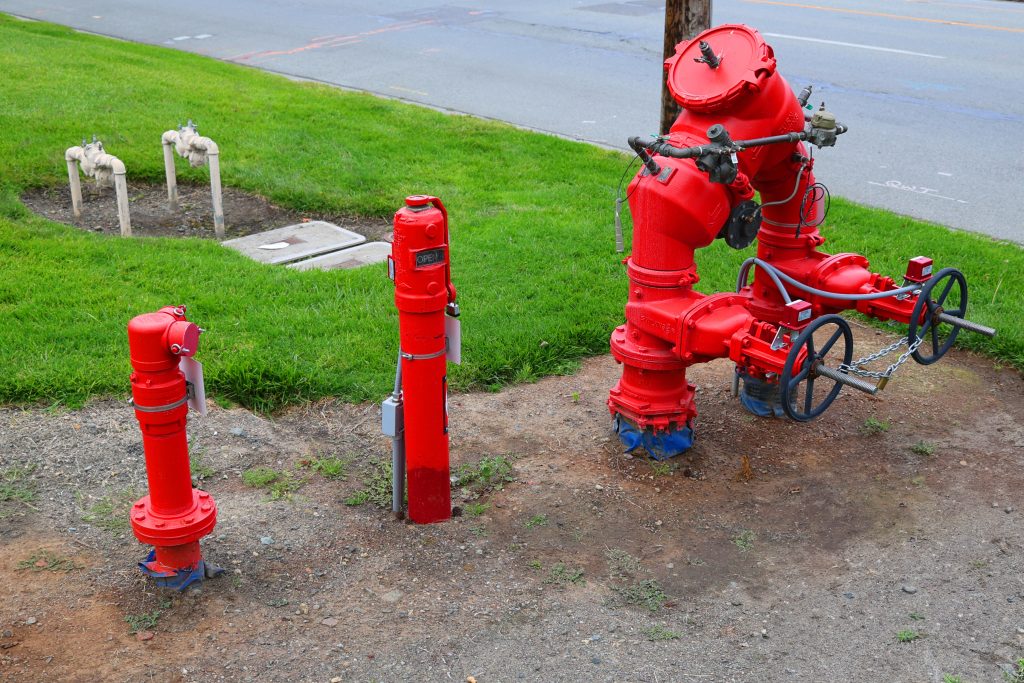
Backflow preventers are serious, yet often overlooked risk to commercial fire protection systems. It refers to the unwanted reversal of water flow within a piping system, which can lead to contamination of the clean water supply. For businesses relying on fire protection services, understanding and preventing backflow is essential—not just for compliance but for the health and safety of everyone who enters your building.
What Is a Backflow Preventer?
Backflow occurs when water flows in the opposite direction of its intended course. This reversal can pull contaminants—such as fertilizers, chemicals, or stagnant water—back into the clean water supply. In fire protection systems, this typically involves sprinkler systems or fire suppression systems that are connected to the same water source that supplies potable (drinking) water to your building.
Two main conditions cause backflow:
-
Back pressure: when the downstream pressure exceeds the supply pressure
-
Back siphonage: when there’s a drop in water pressure in the supply line
Both situations can pose significant risks to health, safety, and compliance.
Why Backflow Prevention Matters
For buildings with fire suppression systems, backflow prevention isn’t optional—it’s required. Cross-contamination can introduce dangerous chemicals or debris into the public water system, affecting not just your facility, but the surrounding community.
In industries like hospitality, healthcare, and food service, the stakes are even higher. A single contamination incident could lead to business closures, health violations, and loss of trust. According to the National Fire Protection Association (NFPA), fire sprinkler and suppression systems must be properly backflow protected to meet compliance standards such as NFPA 13, NFPA 25, and local plumbing codes.
Backflow Preventers: The First Line of Defense
A backflow preventer is a mechanical device installed in a fire protection system to prevent contaminated water from flowing backward into the clean water supply. It works by allowing water to flow in only one direction.
There are several types of backflow preventers, each with unique applications:
-
Double Check Valve Assembly (DCVA): Common in low-hazard environments, it uses two independent valves for extra protection.
-
Reduced Pressure Zone (RPZ): Offers the highest level of protection for high-hazard systems, ideal for commercial kitchens or chemical processing plants.
-
Pressure Vacuum Breaker (PVB): A common and cost-effective option for irrigation and smaller fire systems.
How Backflow Prevention Supports Fire Protection Services
Backflow preventers are critical to the safe operation of your building’s fire suppression system. These systems rely on clean, pressurized water to activate quickly in the event of a fire. If water is contaminated or improperly pressurized due to backflow, the entire system could fail—leading to catastrophic damage, injury, or worse.
For businesses seeking reliable fire protection services, working with professionals who understand the full scope of your system’s components—including the role of backflow preventers—is essential. At State Systems, we offer thorough inspection and maintenance of fire suppression systems to ensure they meet all backflow prevention standards.
Who Needs a Backflow Preventer?
Any commercial building with an internal water supply connected to external sources (like sprinklers, kitchens, or chemical processes) needs backflow protection. Industries that particularly benefit include:
-
Restaurants & Food Service – Grease, chemicals, and water mixing is a recipe for contamination.
-
Healthcare Facilities – Sterile water systems require uncompromised purity.
-
Hotels & Multi-Family Residential Buildings – High occupancy requires strong water safety measures.
-
Industrial and Manufacturing – Hazardous materials increase the risk of water contamination.
Fire Prevention Services & Routine Testing
Just like alarms and sprinklers, your backflow preventer must be inspected and tested regularly to ensure it’s working properly. Annual testing is typically required by both municipal water authorities and fire code enforcement.
During an inspection, a certified technician will:
-
Check for leaks or corrosion
-
Confirm the check valves and relief valves function correctly
-
Ensure proper installation per state and local code
Neglecting this step could lead to failed inspections, system malfunctions, or serious fines. At State Systems, our fire prevention services include backflow preventer testing as part of our comprehensive fire system inspections.
Partner with State Systems for Reliable Backflow Prevention
Backflow prevention is more than a regulatory requirement—it’s a key part of your building’s fire safety strategy. By ensuring your backflow prevention device is installed, tested, and maintained correctly, you protect your occupants, your property, and your community.
At State Systems, we proudly serve Tennessee, Arkansas, Mississippi, and Alabama with expert fire protection services, including backflow preventer inspections, repairs, and system integration. Whether you’re installing a new fire suppression system or maintaining an existing one, we ensure every piece functions with precision—including the backflow preventer.
Ready to protect your business from hidden risks? Contact us today to schedule a consultation or inspection.