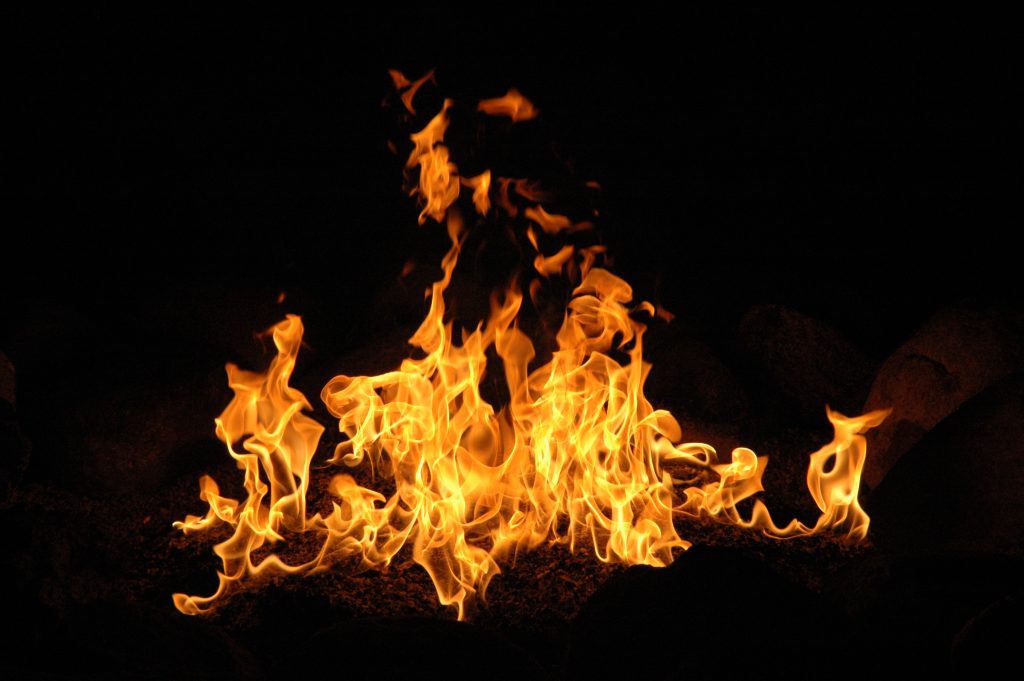
Fire. It’s one of nature’s most powerful elements—both a tool for human progress and a threat when left uncontrolled. At State Systems, we’ve made it our mission to understand fire, protect against it, and educate businesses about the many ways they can reduce risk and respond effectively when fire strikes.
But what is fire, exactly? And how do our services—from extinguishers and sprinklers to alarms and suppression systems—play a role in keeping it at bay?
Let’s break it down.
What is Fire?
Fire is the visible effect of the process of combustion—a chemical reaction that occurs when heat, fuel, and oxygen combine. This trio is often referred to as the “fire triangle.” Remove one of these elements, and the fire goes out.
Understanding the science behind fire is critical in designing systems to suppress or extinguish it. That’s where our expertise at State Systems comes into play.
Breaking the Fire Triangle: How We Put Out Fires
1. Fire Extinguishers: Portable Power Against Fire
Fire extinguishers are the first line of defense in many emergencies. Depending on the type of extinguisher, they combat fire in different ways:
-
Dry chemical extinguishers interrupt the chemical reaction.
-
CO₂ extinguishers remove oxygen and displace heat.
-
Water-based extinguishers cool the burning material.
-
Class K extinguishers (common in commercial kitchens) use saponification—a process that turns burning oils and fats into a soapy substance, effectively cutting off oxygen and heat.
(Learn more about our Fire Extinguisher Services.)
2. Fire Sprinkler Systems: Early Suppression, Lower Damage
Automatic fire sprinklers detect heat and activate over the fire, releasing water that cools the area and suppresses flames. Contrary to common myths, only the sprinkler head nearest to the fire will activate—not the entire system.
Sprinkler systems are one of the most effective ways to contain fires early and minimize structural and asset damage.
(Explore our Fire Sprinkler System Services.)
3. Fire Suppression Systems: Targeted, Clean Solutions
In environments where water can cause damage—like server rooms or data centers—clean agent fire suppression systems offer an ideal solution. These systems quickly suppress fires without leaving residue and are safe for electronics. These systems work by rapidly displacing heat and interrupting the chemical reaction within the fire triangle. This is a process called saponification effectively suppressing the fire without harming equipment or leaving behind residue
For kitchens and vehicles, specialized systems using wet chemicals or foam are used. Many kitchen suppression systems also use saponification to neutralize grease fires.
(Discover more about Fire Suppression Systems.)
The Role of Fire Alarms: Alerting and Activating Action
While alarms don’t extinguish fires, they play a vital role in alerting occupants and triggering other systems.
State Systems installs and monitors advanced fire alarm systems that are integrated with other building systems, including:
-
Sprinkler activation alerts
-
Suppression system deployment
Fire alarm systems play a vital role in protecting life and property during a fire emergency. These systems are responsible for detecting the earliest signs of smoke, heat, or flame and triggering audible and visual alerts to initiate evacuation and emergency response.
Under NFPA 72, fire alarms must be properly designed, installed, and maintained to ensure they perform reliably. The code outlines requirements for everything from system components and control panels to testing intervals and response protocols
(Visit our Fire Alarm Services page to learn more.)
Preventing Fires with Proper Maintenance and Inspections
Installing systems is only the beginning. Maintaining fire protection systems is critical to long-term safety. We offer:
-
Routine fire extinguisher inspections
-
Sprinkler testing and hydrostatic checks
-
Quarterly and annual fire protection inspections
All our inspections comply with NFPA 10, 25, and 72 standards. Regular maintenance ensures your systems are fully operational when they’re needed most.
(Learn more about our inspection services.)
How Fire Protection Relates to Fire Prevention
While fire protection involves systems that respond to and suppress fires, fire prevention is the strategic process of reducing fire risk in the first place. Together, these two approaches form a comprehensive fire safety plan—one focused on minimizing risk, the other on minimizing damage when an incident occurs. This includes:
-
Proper staff training (like our fire extinguisher training classes)
-
Code-compliant system design
-
Safe cooking and equipment usage
-
Regular maintenance and system testing
(Read more about fire safety training.)
Conclusion: Fire May Be Powerful, But So Are We
Fire is a natural force, but it doesn’t have to be a threat to your business. With the right systems in place—from extinguishers and sprinklers to alarms and suppression—State Systems helps businesses stay protected, compliant, and prepared.
Let us help you build a safer future. Contact State Systems today for an evaluation of your current fire protection strategy.