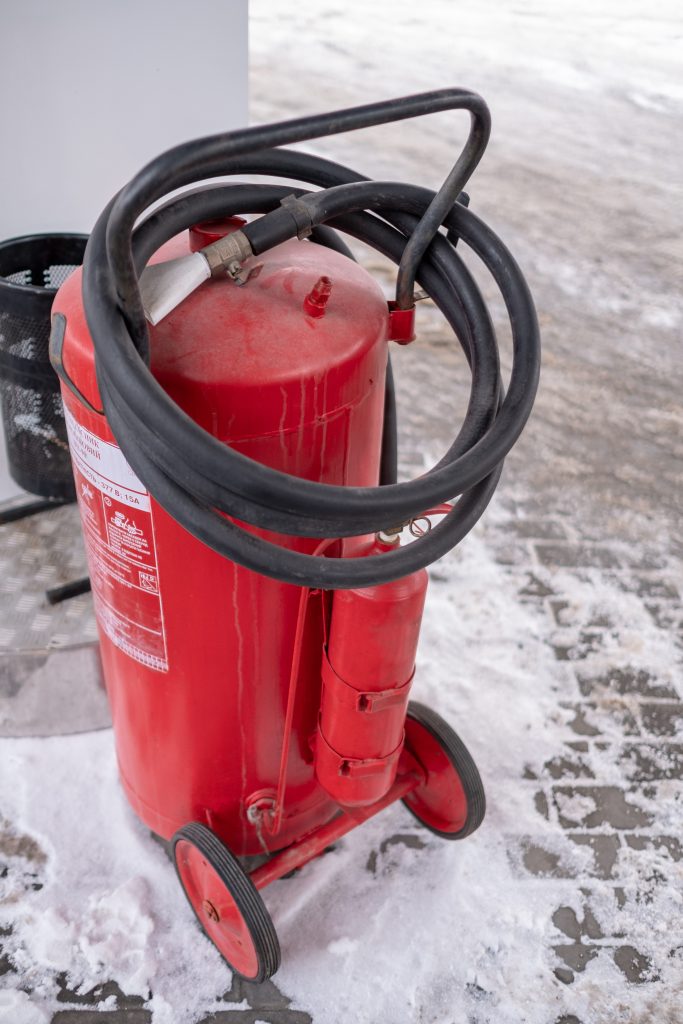
Electrical fires are among the most dangerous and unpredictable types of fires, often caused by faulty wiring, overloaded circuits, or malfunctioning electrical equipment. Unlike ordinary fires, attempting to put out an electrical fire with the wrong extinguisher can make the situation worse and even put lives at risk. Understanding the correct fire extinguisher to use, as well as essential fire extinguisher services, maintenance, installation, and inspection, is crucial for business owners and facility managers.
What Causes Electrical Fires?
Electrical fires typically occur due to overheating electrical components, short circuits, or exposed wiring. Common causes include:
-
Overloaded power outlets – Plugging too many devices into one outlet can cause overheating.
-
Frayed or damaged wiring – Worn-out insulation or exposed wires can create sparks.
-
Malfunctioning appliances – Old or faulty electrical equipment can short-circuit.
-
Improper use of extension cords – Long-term use of extension cords for high-power devices can lead to overheating.
-
Lightning strikes – Direct or indirect lightning strikes can cause electrical fires in unprotected buildings.
Once an electrical fire ignites, responding quickly with the correct fire extinguisher is critical.
What Fire Extinguisher to Use for an Electrical Fire?
Fires involving electrical equipment are classified as Class C fires in the United States. Specialized extinguishers designed to suppress these fires without conducting electricity should be used to ensure safety.
Class C Fire Extinguishers
-
Carbon Dioxide (CO2) Extinguishers
-
Designed specifically for electrical fires, CO2 extinguishers work by displacing oxygen and cooling the fire.
-
Leaves no residue, making them ideal for protecting electrical equipment.
-
Commonly used in offices, server rooms, and industrial facilities.
-
-
Dry Chemical Extinguishers (ABC Extinguishers)
-
Contain monoammonium phosphate, which smothers fires and interrupts the chemical reaction of combustion.
-
Effective on Class A (ordinary combustibles), Class B (flammable liquids), and Class C (electrical) fires.
-
Versatile and commonly found in commercial buildings, schools, and hospitals.
-
-
Clean Agent Fire Extinguishers
What NOT to Use on an Electrical Fire
-
Water or Water-Based Extinguishers – Water is a conductor of electricity and can increase the risk of electrocution.
-
Foam Extinguishers – These are designed for flammable liquid fires and can create additional hazards when used on live electrical equipment.
-
Wet Chemical Extinguishers – Used for Class K (kitchen) fires but not suitable for electrical fires.
How to Extinguish an Electrical Fire Without an Extinguisher
If you do not have access to a Class C fire extinguisher, take the following steps:
-
Disconnect the Power Source – Unplug the device or shut off the power at the breaker if it is safe to do so. Cutting off the electricity removes the fuel source for the fire.
-
Use Baking Soda – For small electrical fires, baking soda can help smother flames by cutting off the oxygen supply.
-
Cover with a Fire Blanket – A fire-resistant blanket can help suffocate the fire.
-
Avoid Water at All Costs – Never throw water on an electrical fire, as it can cause electric shock and make the fire spread.
-
Evacuate and Call 911 – If the fire continues to grow, evacuate the area and call emergency services immediately.
Importance of Fire Extinguisher Services for Electrical Fire Safety
Proper fire extinguisher installation, maintenance, and regular inspection are crucial for ensuring that your fire protection equipment is ready when needed.
Fire Extinguisher Installation
-
Fire extinguishers should be strategically placed near electrical equipment, including server rooms, mechanical areas, and office spaces.
-
Proper mounting height and clear labeling ensure quick and easy access during an emergency.
Fire Extinguisher Inspection
-
Routine fire extinguisher inspection ensures that the equipment is functional and complies with local safety codes.
-
Inspections should check for visible damage, pressure levels, and accessibility.
Fire Extinguisher Maintenance
-
Regular servicing includes cleaning, checking for leaks, and refilling or replacing extinguishers as needed.
-
Annual professional inspections are required by NFPA 10 to maintain compliance with fire safety regulations.
Final Thoughts
Understanding how to properly handle electrical fires and ensuring that your facility has the right fire extinguisher services in place is critical to protecting both people and property. Carbon dioxide, dry chemical, and clean agent extinguishers are the safest options for electrical fires, while water-based extinguishers should always be avoided.
Ensuring proper fire extinguisher installation, routine inspection, and maintenance will give you peace of mind and keep your workplace prepared for any fire emergency. If your business requires professional fire protection services, consult with State Systems a qualified fire safety provider to ensure compliance and readiness.