Ready to Get the Resource?
Quick, practical fire protection guidance. Download it and put it to work today.
Get the ResourceCommercial fire alarms may look simple on the surface, but behind every panel, pull station, and detector is a complex system designed to protect lives and property. To truly safeguard your facility, it’s critical to understand how these systems work, what codes apply, and why professional support matters. That’s where this guide, fire alarm decoded, comes in. With a better understanding of your system, you can make informed decisions about inspections, upgrades, and ongoing maintenance.
1. The Purpose of Fire Alarms
At their core, fire alarms exist to provide early detection and notification. From smoke detectors and heat sensors to manual pull stations, these devices ensure occupants can evacuate quickly while alerting emergency responders. Every second matters when it comes to fire, and an alarm system provides those precious moments to save lives. According to NFPA, properly functioning fire alarm systems drastically reduce the risk of injury and loss during a fire event.
Fire alarms also provide reassurance to building owners and employees. Knowing a system is in place allows people to work and operate confidently, creating a safer environment for customers, tenants, and staff.
2. How Fire Alarm Systems Work
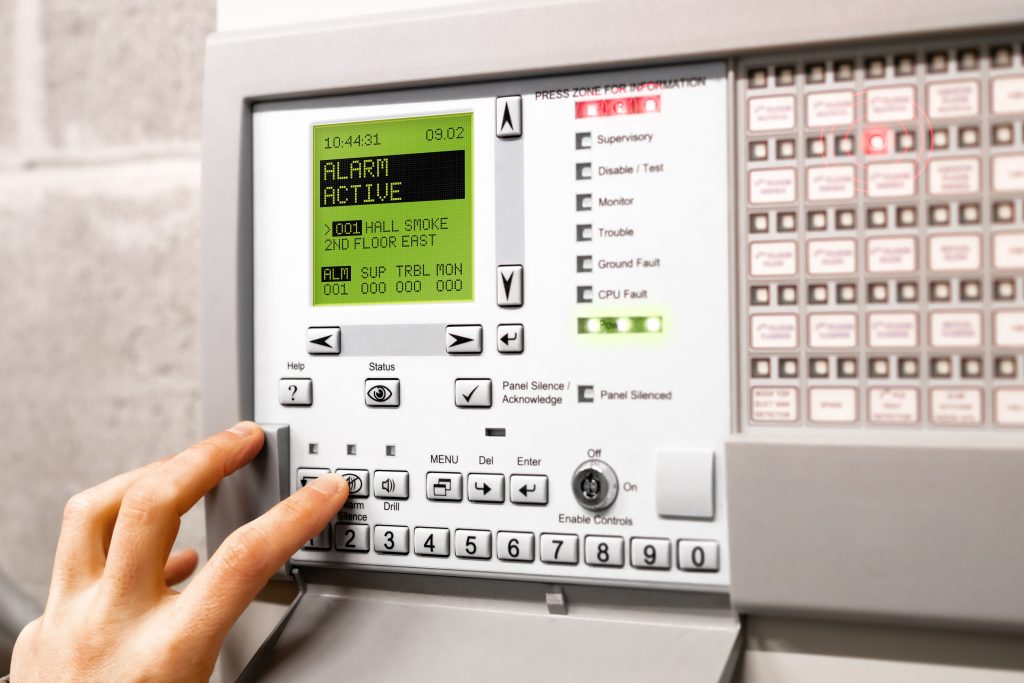
A typical fire alarm system consists of detectors, initiating devices, control panels, notification appliances, and power supplies. When smoke, heat, or flames are detected, the initiating device sends a signal to the control panel. The system then activates alarms such as strobes, sirens, and voice evacuation messages to alert everyone in the building.
Modern systems may also be connected to monitoring centers, ensuring that the moment a fire is detected, emergency responders are contacted. This integration makes today’s systems more advanced and reliable than ever before. For business owners, understanding this process helps highlight why regular testing and professional oversight are so important.
3. Code Requirements and Compliance
Fire alarm systems are not optional for most commercial properties. Codes such as NFPA 72: National Fire Alarm and Signaling Code set the standards for design, installation, and testing. Local authorities having jurisdiction (AHJs) enforce these codes to ensure buildings remain safe and compliant. Failing to follow them can result in fines, shutdowns, or even legal liability.
Beyond legal requirements, compliance also plays a role in building trust. Tenants, employees, and visitors feel more confident entering a space that is clearly committed to safety. For business owners, this can also protect reputation and reduce risk in case of emergencies.
4. Maintenance and Inspections
Fire alarms must be inspected, tested, and maintained on a regular basis to stay reliable. NFPA 72 requires annual inspections at a minimum, and in some cases quarterly or semi-annual testing. Partnering with a certified fire protection company ensures your system is always in top condition, and inspection records provide proof of compliance for insurance and regulatory purposes.
Regular inspections also extend the life of your system. By identifying issues early, you avoid costly repairs and replacements. FEMA reinforces that proactive maintenance is one of the most effective ways to prevent devastating losses and ensure systems perform correctly in an emergency.
5. Integration With Broader Safety Plans
A fire alarm system is not an isolated tool. It is part of a larger fire protection strategy. Integration with sprinklers, suppression systems, extinguishers, and monitored services creates a layered approach to safety. By connecting these systems, you reduce the risk of equipment failure and ensure a coordinated emergency response.
For example, when a fire alarm triggers a sprinkler system, suppression begins immediately while occupants are evacuating. This multi-layered response can be the difference between a small incident and a catastrophic loss. Businesses that take an integrated approach demonstrate a higher level of preparedness and responsibility.
Fire Alarm Decoded: Protecting Your Business with Confidence
Understanding your system through a fire alarm decoded lens gives you clarity, but putting it into practice requires expert support. By working with a trusted provider, you gain confidence that your alarms are compliant, properly maintained, and ready to respond when needed.
Fire alarms are more than just devices on the wall. They are the backbone of your fire safety plan. They protect your people, your property, and your reputation every single day. If you are ready to strengthen your protection, State Systems can help you decode the complexities of fire alarms and design a solution that keeps your facility safe and compliant. Contact our team today to take the next step in building a safer business environment.