When your fire suppression system activates, it’s a sign that a potential disaster has been avoided. But while the immediate danger may have passed, there are critical steps your business should take afterward to ensure safety, minimize damage, and get back to normal operations as quickly as possible.
Here’s a comprehensive guide on what to do after your fire suppression system goes off:
-
Ensure Everyone’s Safety
The most important step is to confirm the safety of your employees, customers, and anyone else on the premises. Fire suppression systems activate in response to a fire or threat, so treat every situation with caution.
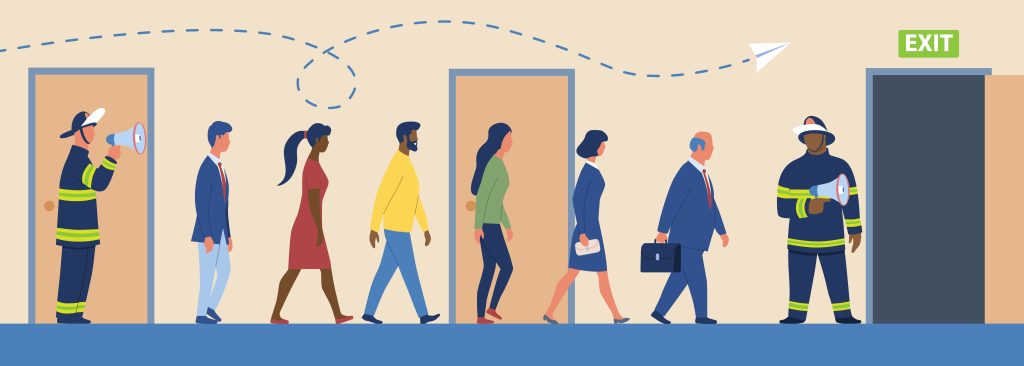
- Evacuate the Building: Even if the fire seems to be suppressed, make sure everyone evacuates the building as a precaution.
- Check for Injuries: Ensure that no one was harmed in the event. If there are any injuries, provide first aid and call for medical assistance if needed.
-
Contact Emergency Services
Even if your fire suppression system has put out the fire, it’s essential to have the fire department or emergency services inspect the building for lingering threats, such as:
- Hidden fires or embers that may reignite
- Dangerous fumes or smoke
- Structural damage that could compromise safety
A professional assessment is crucial to ensuring your building is truly safe before re-entry.
-
Identify the Cause of the Activation
Fire suppression systems are designed to activate in response to a real fire threat, but they can also be triggered by other factors such as:
- False alarms (often due to equipment malfunction)
- Electrical failures
- Human error
Understanding why the system was triggered will help prevent similar incidents in the future. Work with your fire suppression system provider, like our team at State Systems, to diagnose and resolve any potential issues.
-
Document the Incident
Once the immediate danger is under control, it’s important to document everything for insurance purposes and future reference. This should include:
- Taking photos or videos of any property damage.
- Writing down a timeline of the event, including when the suppression system activated and how it was resolved.
- Gathering witness statements from employees or anyone on-site who experienced the event.
Proper documentation will make the insurance claim process smoother and can help identify areas where fire safety measures might be improved.
-
Clean Up & Assess Damage
Depending on the type of fire suppression system your business uses, there may be different levels of cleanup required:
- Water-based Systems: If your fire suppression system uses water or foam, you’ll need to quickly remove any standing water or excess moisture to prevent further damage, such as mold growth.
- Chemical/Gas-based Systems: Systems like FM-200, CO2, or dry chemical suppression systems don’t leave behind water, but there may still be residue that needs to be cleaned up, especially if powder-based agents were used.
State Systems can assist with recharging and restoring your fire suppression system after activation to ensure it’s ready to go if another fire were to occur.
-
Notify Your Insurance Company
As soon as you’ve documented the damage, reach out to your insurance provider to file a claim. The faster you contact them, the quicker the process will be to begin repairing any damage and covering the associated costs. Provide them with all documentation and photos taken during and after the incident.
-
Schedule an Inspection & Maintenance for Your Fire Suppression System
Once your system has gone off, it’s important to have it inspected, serviced, and recharged by professionals to ensure it is still functioning properly. As a licensed fire suppression company, we will:
- Inspect for any damage to the system.
- Recharge or refill suppression agents if needed (FM-200, CO2, dry chemical, etc.).
- Test the system to ensure it is fully operational.
Many fire suppression systems require regular inspection and maintenance to remain compliant with fire codes and safety regulations. This post-activation service will ensure your system is back in compliance and ready for future incidents.
-
Review & Improve Your Fire Safety Plan
After experiencing an activation, it’s an ideal time to review your fire safety protocols and make any necessary updates. Consider the following:
- Was your evacuation process smooth?
- Did your employees know how to respond properly?
- Are your fire suppression and detection systems adequate for the threats your business faces?
Take the opportunity to train employees on fire safety procedures and perform a thorough review of your fire protection systems. You may find that some systems need updating or additional training is required to improve your overall response.
Let State Systems Help You Get Back to Business
After a fire suppression system goes off, getting back to normal operations requires a series of careful steps. From ensuring everyone’s safety to inspecting and maintaining your fire suppression system, taking the right actions is critical to minimizing damage and preventing future incidents.
At State Systems, we offer complete fire suppression system services, including inspections, testing, repair, and recharging. Our certified technicians are ready to get your system back up and running quickly and efficiently.
Need help after an activation? Contact us today to schedule a service or inspection.